
The best building toys for 5 year olds combine vibrant colors with practical skill-building. They boost fine motor control and spark spatial reasoning. Choose sets that evolve as your child gains confidence.
Discover Top Building Toys For 5 Year Olds
Five-year-olds thrive on challenges they can shape themselves. As a parent or gift buyer, you want toys that deliver instant fun and lasting developmental perks.
Below are five categories we recommend, each offering unique play experiences and growth opportunities.
Key Categories Compared
- Classic Block Sets: Simple wood or plastic blocks invite stacking, balancing, and open-ended creativity.
- Magnetic Tiles: Bright, interlocking panels let kids explore flat patterns and spring them into 3D forms.
- Construction Kits: Gears, connectors, and wheels introduce basic engineering concepts through hands-on building.
- DUPLO And Large Bricks: Oversized bricks are perfect for cooperative storytelling and group play.
- Loose Parts: A mix of natural or recycled bits encourages sensory-rich, free-form designs.
To see how they stack up, here’s a quick overview of age recommendations, standout features, and price points.
Comparison Of Top Building Toy Categories
| Toy Type | Age Range | Key Feature | Price Range |
|---|---|---|---|
| Classic Block Sets | 4–6 years | Stacking & balance | $15–$30 |
| Magnetic Tiles | 5+ years | Geometry exploration | $30–$60 |
| Construction Kits | 5+ years | Simple machines | $20–$50 |
| DUPLO Bricks | 4–6 years | Group play & storytelling | $25–$45 |
| Loose Parts | 3–6 years | Open-ended play | $10–$25 |
This snapshot makes it easy to match a toy type to your child’s interests and your budget.
Here’s a look at how classic block silhouettes have evolved over time.
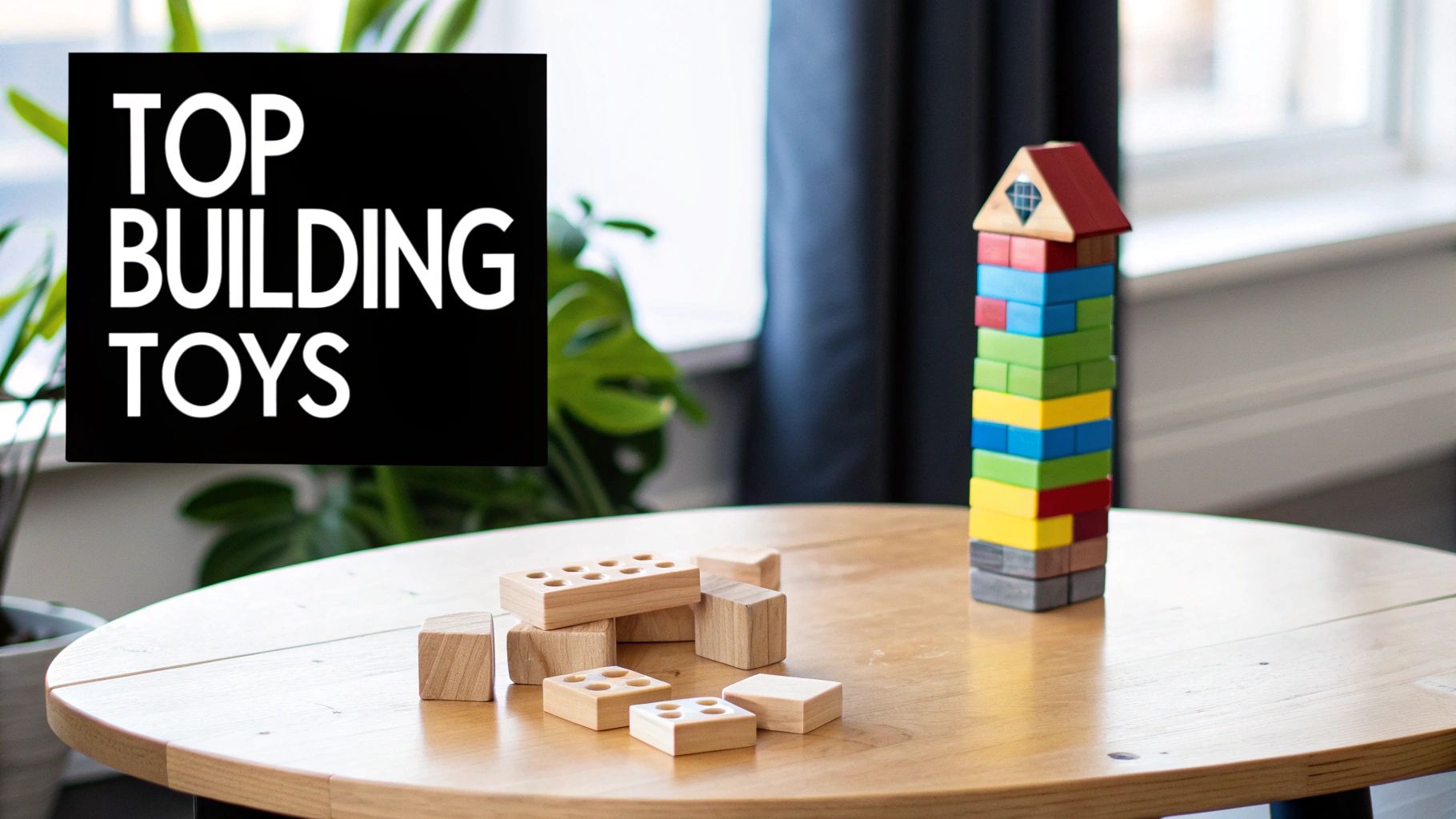
Building sets accounted for roughly 28% of the global toys market in 2025—about USD 32.5 billion out of USD 116.11 billion.
You’ll also want to note that 25.9% of toy unit sales in 2025 were preschooler-focused—around 610 million pieces hitting playrooms.
Match your choice to what excites your child most: wood blocks for architectural play, magnetic tiles for budding geometry skills, or DUPLO bricks for storytelling adventures. Rotate sets weekly to keep the challenges fresh and skills advancing.
Building Toys And Development Milestones
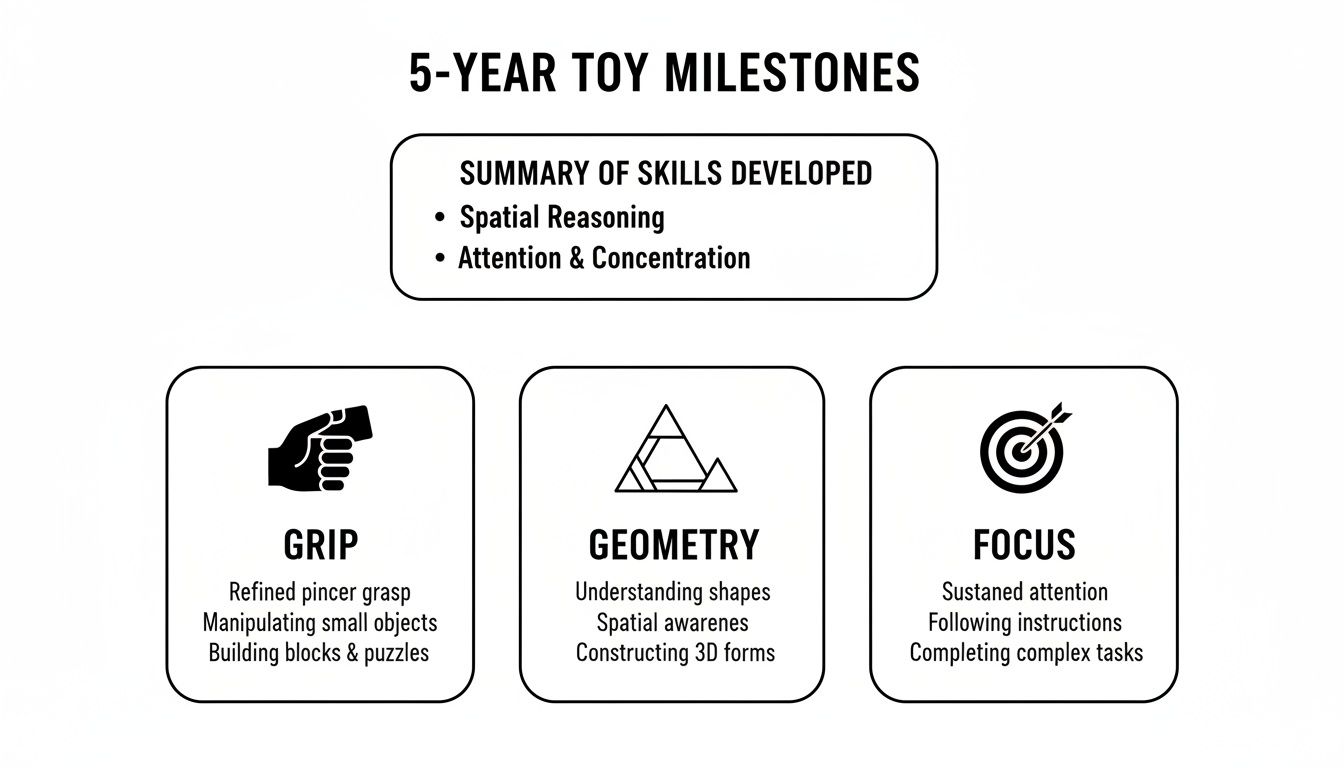
Five-year-olds are busy refining fine motor, cognitive, and social skills—often without realizing it. Building toys tap right into this stage, offering hands-on challenges that sharpen the precision grip and boost spatial reasoning.
Watching how your child stacks, clicks, or connects pieces reveals which playset matches their current abilities. When tiny fingers work to align block edges, they’re practicing the exact hand control needed for writing and cutting.
Magnetic tiles add a sensory thrill: snap triangles and squares into vibrant patterns, then watch as 2D shapes transform into simple 3D designs. That satisfying “click” encourages repeated exploration and lays the groundwork for basic geometry.
Meanwhile, multi-piece construction kits test patience and focus. As rods, gears, and connectors come together, kids wrestle with trial and error—and celebrate every successful build.
“My daughter matched each shape to its card before snapping on tiles. That game sparked her confidence and curiosity,” recalls one parent.
In another corner of the playroom, two friends negotiated color schemes and tower heights while building a five-story fortress from large bricks. They practiced turn-taking, shared ideas, and discovered that teamwork can be as rewarding as the final structure.
Sprinkle in simple counting—like tallying pegs or beams—to turn playtime into a low-key math session. Suddenly, free play doubles as a skill-building exercise without ever feeling like homework.
Recognizing Readiness Cues
Knowing when to introduce more complex sets starts with close observation. Look for these signs:
- Holding and aligning small blocks with minimal drops
- Naming or describing shapes during play
- Maintaining focus on a multi-part model for several minutes
When your child sorts shapes by category or squeezes magnetic panels with ease, you’ll know they’re ready to step up the challenge.
Aligning Toys To Skills
Matching toy complexity to your child’s development keeps frustration at bay. Here’s a quick guide:
| Skill Focus | Toy Type | Development Benefit |
|---|---|---|
| Precision Grip | Classic Block Sets | Refines hand control |
| Basic Geometry | Magnetic Tile Panels | Reinforces shape recognition |
| Sustained Focus | Rod & Gear Kits | Builds patience and problem-solving |
| Cooperative Play | Large Brick Systems | Encourages sharing and teamwork |
Use this layout to pinpoint which best building toys for 5 year olds align with your child’s next milestone.
Encouraging Cooperative Play
Building together strengthens language and social skills. Here are a few ideas to get everyone involved:
- Set a joint goal—like building a bridge or an animal habitat
- Assign roles: one child stacks while another adds decorations
- Celebrate every mini-win with high-fives or a sticker
Prompt children to tell a story about their creation. That narrative twist deepens their engagement and builds vocabulary as they describe each feature.
Monitoring Progress And Next Steps
Keep track of growth by revisiting the same toy after a couple of weeks. Notice these changes:
- Fewer wobbles and rebuilds
- Longer, frustration-free sessions
- Clearer descriptions of complex shapes
Once those improvements show up, introduce a slightly tougher set. Rotating between blocks, tiles, and construction kits keeps skills on the rise. Aim for at least two varied building sessions per week to maintain momentum and spark ongoing curiosity.
Compare Building Toy Types For 5 Year Olds
In every playroom, building sets come in all shapes and purposes. Classic wooden blocks, magnetic tiles, themed construction kits, large-brick systems and loose natural parts each offer a unique learning twist. Mixing categories—say pairing magnetic tiles with wooden blocks—keeps challenges fresh and inspiration flowing.
Feature Comparison And Trade Offs
-
Classic Blocks invite endless stacking. Their simple design boosts balance, grip strength and hand control—perfect for little builders mastering that precision hold.
-
Magnetic Tiles snap together in seconds, illustrating geometry and color patterns. Turning flat shapes into towers really cements spatial reasoning.
-
Construction Kits with rods, gears and connectors introduce basic engineering. They demand focus and patience as kids follow mini blueprints to create moving machines.
-
Large-Brick Systems (like DUPLO) use oversized pieces made for group play. They reduce frustration, support cooperative storytelling and let multiple children build side by side.
-
Loose Parts such as stones, shells or recycled bits spark pure creativity. Without fixed instructions, they deliver endless sensory variety and imaginative designs.
Feature Comparison Of Building Toy Styles
Here’s a quick look at how each style measures up in STEM emphasis, licensing variety and eco-friendliness:
| Toy Type | Licensed Options | STEM Focus | Sustainability |
|---|---|---|---|
| Classic Blocks | Few | Medium balance skills | Often wood-based |
| Magnetic Tiles | Rare | High geometry emphasis | BPA-free plastic |
| Construction Kits | Many | High engineering focus | Varies by brand |
| DUPLO Bricks | Numerous | Moderate mechanics | Recycled plastic option |
| Loose Parts | None | Low direct STEM | Natural materials |
This snapshot highlights which sets excel in STEM learning or sustainable design.
Market Growth And Licensed Trends
Retail data for the first half of 2025 shows building-set sales climbing by 7–12% in key regions. Licensed products—which make up roughly 35–37% of U.S. toy sales—jumped nearly 18% in dollar value year over year. Learn more in Circana’s report on 2025 toy market growth.
Choosing The Best Building Toys
To pick the best options for your 5-year-old, balance ease of use, learning goals and material quality:
- Classic wooden blocks develop balance skills and fine motor control.
- Magnetic tiles reinforce geometry concepts with satisfying snaps.
- Construction kits teach simple machines through gears, pulleys and levers.
- DUPLO bricks invite group storytelling with large, sturdy pieces.
- Loose parts unlock open-ended play and sensory exploration.
Rotating sets weekly keeps playtime engaging.
• Pairing a 50-piece wooden set with magnetic shapes improved shape-matching skills in just two sessions.
• Watch solo versus group builds to see which style holds attention longer.
• A quick drop or shake test reveals which bricks survive rough-and-tumble play.
Maintenance And Longevity
- Wash plastic pieces every few weeks with mild soap or a vinegar spray.
- Sand any rough spots on wooden blocks and refresh with a water-based sealant.
- Store each set in labeled bins or mesh bags for easy cleanup.
- Swap extras with friends or local toy-swap groups to extend lifespan and reduce clutter.
Real World Mixing Strategies
One family built a crash-test track for toy cars by combining a wooden set and magnetic tiles. The siblings loved experimenting with different materials—and they learned cause and effect as each section passed the test.
Summary Of Pick And Mix Approach
Rotating classic blocks, magnetic tiles and construction kits delivers a balanced mix of fine motor, geometry and engineering challenges. Tracking which types spark the longest focus helps you fine-tune the rotation.
Consistent variation in building toys can accelerate milestone achievements by up to 20% in motor and cognitive tasks.
Encourage parents to blend styles and log progress with simple photos or notes.
Practical Play Examples
- Build a mini zoo: blocks for enclosures, tiles for animal shapes, loose stones for textures.
- Time a friendly build race to a simple goal, then chat about design wins and collapses.
- Snap photos each week to celebrate creative milestones.
- Reward completed builds with a sticker chart to keep motivation high.
Share your favorite play ideas with friends to inspire fresh projects.
Check Safety And Skill Criteria For Building Toys
When you’re browsing sets for 5-year-olds, safety and skill level go hand in hand. Little hands explore everything; they need non-toxic finishes and smooth, rounded edges to stay out of harm’s way. Always look for packaging stamped with ASTM F963 or EN71—that’s your first green light.
A quick, hands-on checklist makes spotting hazards effortless:
- Verify age labels clearly marked for 5 years and up
- Inspect for small parts that pose choking risks
- Confirm non-toxic paints and plastics (look for “lead free”)
- Check rounded edges and absence of sharp points
- Test magnets for secure housing to avoid swallowing
That way, you can filter out risky sets before they even make it into the playroom.
Spotting Certification Marks
Certification marks aren’t just stickers—they prove a toy passed lab tests for flammability, toxic metals and structural strength. You’ll usually find a stamp or icon on the box or instruction manual.
For instance, one parent ordered a kit labeled for 3+ years but noticed it lacked any EN71 proof—and returned it right away.
“Certification marks gave me confidence that every piece met strict safety standards,” notes one caregiver.
Hands On Durability Tests
Kids are rough on their toys. To see if a set holds up, pick a sample piece and:
- Drop a block from 1 meter height onto a hard surface
- Twist connections gently to check for loose fittings
- Compress magnetic panels to ensure magnets stay sealed
If you spot cracks, breaks or loose bits, move on to a sturdier option.
Matching Complexity To Skills
Finding the sweet spot of challenge and fun keeps little builders eager—never frustrated. Start simple, then dial up the difficulty as skills improve. Here’s a quick guide:
| Piece Count | Skill Focus | Challenge Level |
|---|---|---|
| 10–20 pieces | Basic stacking | Low |
| 20–50 pieces | Shape matching | Medium |
| 50–100 pieces | Pattern design | High |
Rotate through those tiers, and you’ll see confidence soar.
Checking Age Labels And Instructions
Numbers alone don’t tell the whole story. Read beyond the big age recommendation and scan the fine print for warnings or assembly tips. A clear instruction guide will note maintenance advice—so you know how to keep the set in top condition.
Encouraging Progress And Confidence
Short wins spark enthusiasm. When a tricky connection snaps into place, celebrate it. Try comments like, “Great job snapping five pieces together!”
Key Insight These small successes encourage kids to tackle bigger builds next time.
Observe if they rebuild a fallen tower on their own—that’s your clue they’re ready for the next level.
Final Tips For Safe Builds
Stay ahead of wear and tear by organizing and cleaning pieces regularly:
- Use labeled bins or mesh pouches to sort connectors
- Wash plastic parts in a mesh bag on a gentle dishwasher cycle
- Wipe wooden pieces with a damp cloth and let air dry
- Store magnetic components away from pacemakers or sensitive electronics
- Check recall notices on manufacturer websites before gifting new kits
- Keep a backup pouch of common parts to replace losses quickly
By inspecting weekly and rotating toys monthly, you’ll catch early signs of damage—and keep playtime both safe and exciting.
Buy And Maintain Building Toys For Longevity
Choosing sturdy building toys pays off in spades. Instead of getting caught up in glossy boxes, flip sets over and feel the plastic’s thickness while giving a gentle twist to the joints.
Timing your purchases around holiday clearances or back-to-school sales can cut costs dramatically. And if you hunt down bulk loose-part bundles, you’ll get a lower price per piece and open-ended play options for your little architect.
Keep an eye out for plastics marked BPA-free or labeled with impact-resistant ratings—they tend to resist cracks far better than bargain bins.
- Seasonal sale hacks like post-holiday deals on building sets save up to 50% off retail prices.
- Bulk bundles and clearance bins often include surplus pieces ideal for loose-part play.
- Inspect piece weight and seams when shopping to avoid brittle, easily broken plastics.
Budget Friendly Buying Strategies
Signing up for brand and store newsletters pays off. One family saved $20 on a 100-piece magnetic tile set during a Labor Day flash sale—proof that a little patience goes a long way.
When you’re at the shelf, look for one-piece molds instead of glued joints. A solid wooden block set survived two years of daily fort building, even with siblings taking turns.
The chart below tracks growth in the construction toy sector between 2024 and 2025.
It highlights a rise from USD 4.76 billion in 2024 to USD 4.94 billion in 2025. Multiple forecasts point to a multi-year CAGR near 3.8% through 2035 and an 8.6% CAGR to 2029. Read the full research about construction toy market growth.
Cleaning And Storage Techniques
A gentle dishwasher cycle keeps magnetic tiles sanitized without warping. For stubborn grime on plastic bricks, a vinegar spray paired with a soft brush usually does the trick.
- Run small plastic tiles in a mesh laundry bag on a gentle cycle to avoid misplacement.
- Wipe wooden block surfaces with a damp cloth and air dry to maintain the finish.
- Use clear bins with labels grouping sets by type for quicker game start.
Sustainable Rotation And Swap Tips
Swapping outgrown sets through local toy-exchange groups cuts costs and keeps waste out of landfills. Community sales and online marketplaces can breathe new life into well-loved kits.
- One family traded a worn DUPLO pack for fresh magnets and blocks in under ten minutes.
- Quarterly meetups with neighbors have become a secret weapon against playroom boredom.
“Our 10-minute weekly sort transformed our playroom: no missing pieces and instant build readiness.”
Weekly Maintenance Routine
Spending just ten minutes each week on quick checks can halve your cleanup time. One parent swears by this habit to catch cracks, clean spots, and round up stray pieces before they vanish.
- Scan each set for damage or dirt that’s visible to the eye.
- Wipe down plastic pieces with mild soap or a vinegar solution.
- Sort and label parts in bins or pouches for easy grabbing.
- Rotate sets each month to keep interest high and wear balanced.
By weaving these checks into your schedule, you’ll protect your investment in the best building toys for 5 year olds and keep creative play uninterrupted.
Mixing smart buys, savvy cleaning, and simple upkeep not only stretches your budget but also nurtures an organized, creative space.
- Check manufacturer recall notices regularly to ensure playsets remain compliant, up to date, and fully safe.
- Create a photo log to document set conditions and favorite builds for easy wear tracking.
- Host a quarterly swap party with friends or local parents to refresh collections and share tips.
Building Toy Activities To Boost Learning
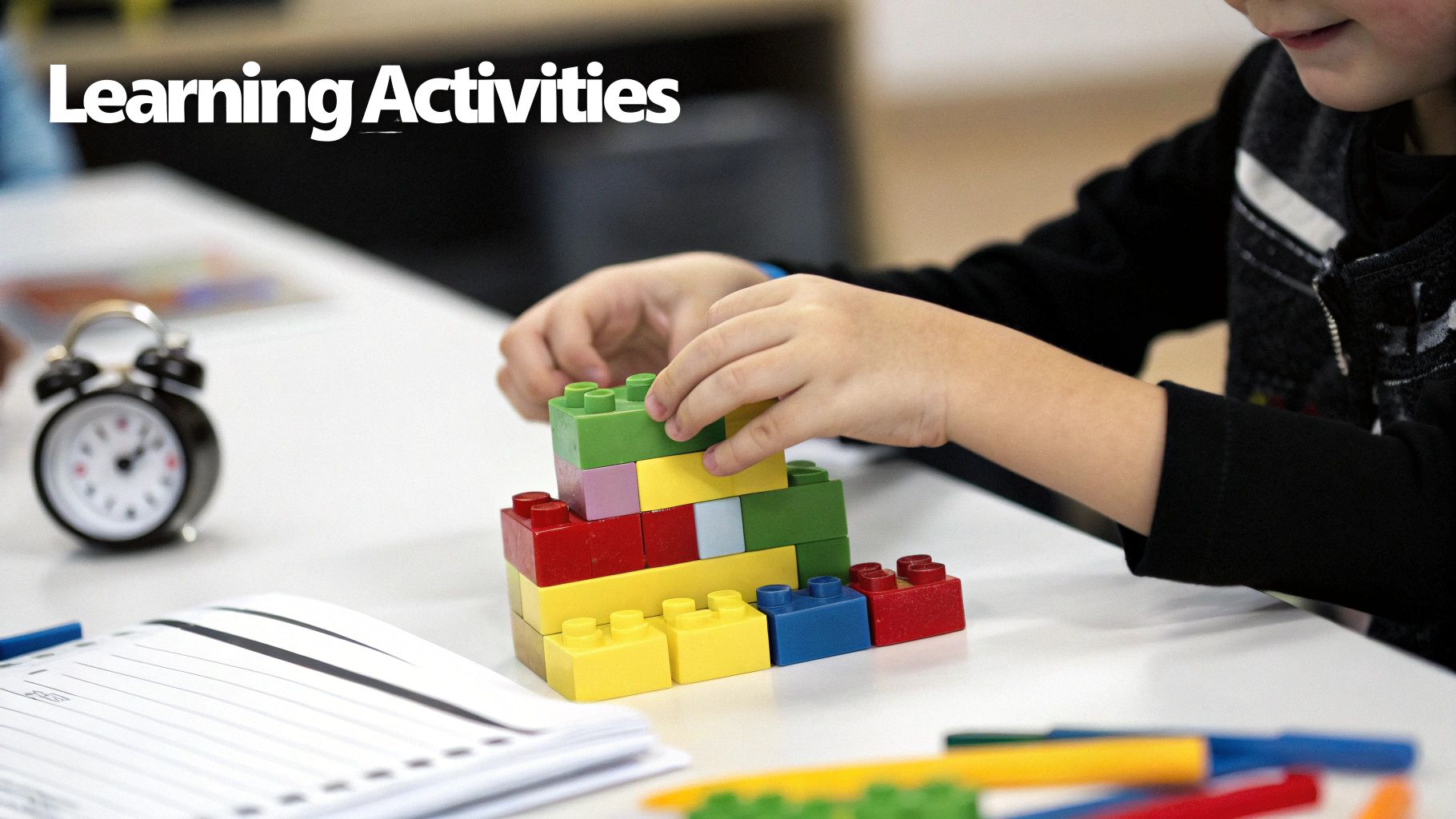
Free‐form building sessions can quickly turn your living room into a mini science lab. Invite kids to recreate a famous landmark, and they’ll dive into geography by stacking blocks into a tiny Eiffel Tower. As they label its base, spire, and colors, they’re cementing map skills without even realizing it.
Landmark Builds For Geography
- Gather simple blocks, printed maps, and clear photo references.
- Encourage matching block colors to map regions—gray for mountains, blue for rivers.
- Ask questions like “Which side faces north?” or “Where does this river flow?”
Key Insight Building miniature landmarks boosts spatial awareness and shape recognition.
Timed races encourage quick thinking and teach collaboration under pressure. Kids pair up, grab a shared pile of pieces, and race against the clock to finish a bridge or tower design.
Timed Teamwork Challenges
- Pick an easy target structure such as a bridge or tower.
- Set a 3–5 minutes timer to crank up the excitement.
- Switch roles each round so every child practices leadership and listening.
Nothing beats the grin you get when they beat the buzzer together.
Sorting blocks by color or shape lays the groundwork for data skills. Each stack of pieces becomes a live bar chart, turning math vocabulary and counting into hands‐on play.
Color Sorting And Classification
- Sort 20–30 blocks into color or shape groups.
- Count each group and note the totals.
- Sketch a quick chart on paper to display the results.
This simple twist introduces data literacy while reinforcing fine motor skills.
Experimenting with pulleys sparks real engineering curiosity. A basic setup—string, a wheel, and a small bucket—quickly becomes a physics playground. Kids learn that adding rope loops makes lifting feel lighter.
Simple Pulley Experiments
| Setup Step | Purpose |
|---|---|
| Attach wheel to frame | Explore how rotation lifts weight |
| Vary rope length | Observe changes in lifting ease |
| Add weight increments | Measure effort differences |
Their insight—“It feels easier with more rope loops”—cements cause and effect.
Storytelling prompts enrich language development as children narrate their builds. They practice tenses, descriptive adjectives, and sequence words while explaining each section.
Weaving Stories Into Builds
- Pick an imaginative theme like “Space Station” or “Animal Castle.”
- Invite the child to narrate each segment during construction.
- Ask reflection questions: “Why did you start with that shape?”
“Describing each block made my son use words like ‘tallest’ and ‘foundation,’” shares a veteran teacher.
Rotating these five challenges keeps play fresh and engaging. Ending each session with quick reflection questions helps kids think about what they learned and track their progress.
- Landmark recreation for geography learning
- Timed races to boost teamwork and quick thinking
- Color towers for sorting, counting, and charting
- Pulley setups for hands‐on physics
- Story builds for language development
Parents can mark off a simple checklist or snap progress photos. Over time, they’ll notice deeper focus and sustained creativity.
A study in early childhood education found that structured play increased attention spans by 25% in just four weeks. Fitting these activities into twice‐weekly play routines delivers lasting benefits—without ever feeling like homework.
Common Questions About Building Toys For 5-Year-Olds
Parents often ask which toy materials can survive a little acrobatics on tile or hardwood. Quick answers here can rescue you from constant replacements and frantic toy-store runs.
Materials Durable Enough For Rough Play
When her son’s block tower tumbled off a 1-meter-high desk, one mom decided to experiment. Now she drops a sample piece onto wood or stone to see which sets hold up.
Choose ABS Plastic or quality stained wood—both shrug off a few drops without cracking. Smooth contours and tight connections go a long way in preventing chips.
- Look for pieces with flexible joints that snap back into place
- Check for ASTM F963 or EN71 certification
A handful of drop tests ensures hours of worry-free building.
Introducing Mixed-Age Siblings
Pairing a 5-year-old with a 3-year-old can spark teamwork or spark a squabble. The trick? Give the younger child a simpler starter kit so everyone works at their own pace.
- Define a shared goal—build a tiny bridge or a lookout tower
- Celebrate joint victories to keep spirits high
“My twins brainstormed a castle layout together and figured out who would place which block,” one parent recalls.
This approach keeps both kids engaged and cuts down on tattling.
Cleaning Safe Methods
Crumbs, juice spills and sticky fingers are part of the fun—and the mess. Skip harsh chemicals by sliding plastic bricks into a mesh bag on a gentle dishwasher cycle.
Wooden pieces get a quick wipe-down with a damp cloth and a dab of mild soap. Let them air-dry completely before the next build.
- A spritz of white vinegar doubles as a natural antibacterial
Routine cleaning stops germs in their tracks and makes toys last longer.
Licensed Vs Open-Ended STEM
Branded characters draw immediate excitement but often lock you into a single model. Open-ended STEM kits, on the other hand, invite unlimited designs and deeper problem-solving.
- Licensed Sets: quick builds, familiar themes
- STEM Sets: endless configurations, real engineering challenges
My rule of thumb: pair a small licensed kit with a versatile STEM collection. Rotate them weekly to keep curiosity alive and learning on track.
These tips help you sidestep common pitfalls and turn every building session into a win.
Ready to pick the perfect building toys? Explore expert tips and top-rated picks at Learning Through Play.